Compliance and Venue Preparedness
Severe and uncontrolled blood loss remains a leading cause of traumatic death. Specifically, ambulance response times often fluctuate during critical mass casualty incidents. Therefore, a trained bystander must act quickly to save lives on site. This course teaches methods to manage life-threatening wounds safely. As a result, you bridge the gap before emergency services arrive.
Importantly, this training aligns perfectly with UK counter-terrorism preparedness guidance. For instance, it supports the STAY SAFE, TELL, ACT framework and reinforces core ACT First Aid requirements. Consequently, this course ensures essential Martyn’s Law venue compliance for public spaces. Reviewing these trauma protocols remains a vital asset for corporate mass casualty planning.
Furthermore, emergency awareness protects lives outside the commercial workplace during sudden crises. To discover why expanding your immediate first responder skills is vital for family safety, read our advisory post. Review our Emergency Preparedness: What Every UK Household Needs to Know guide to keep your loved ones safe.
Understanding how chemical clotting dressings accelerate survival metrics is essential during severe clinical haemorrhage. To explore the deep science behind these specific trauma tools, check our foundational explainer post. Read our What is a Haemostatic Agent? article to discover how modern medical technology stops active bleeding rapidly.
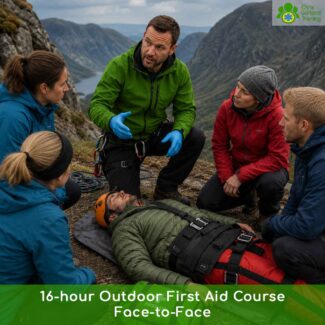
Alternatively, professionals operating in remote environments or forestry sectors often require specialized wilderness rescue modules. Consequently, we recommend reviewing our comprehensive physical certifications. Consider exploring our 16 Hour Outdoor First Aid – Blended Learning course. This curriculum delivers excellent environmental safety frameworks.
If your clinical teams require advanced skin repair skills after managing a major bleed, consider upgrading their medical capabilities. You can explore our targeted module called Wound Closure Course | Half Day. This specific syllabus delivers practical suturing techniques efficiently.
What You Will Learn
- Haemorrhage Physiology: Understanding critical blood loss dynamics and why standard workplace wound care is insufficient.
- Wound Identification: Managing limb wounds, chest trauma, torso injuries, and junctional bleeds near the neck or groin.
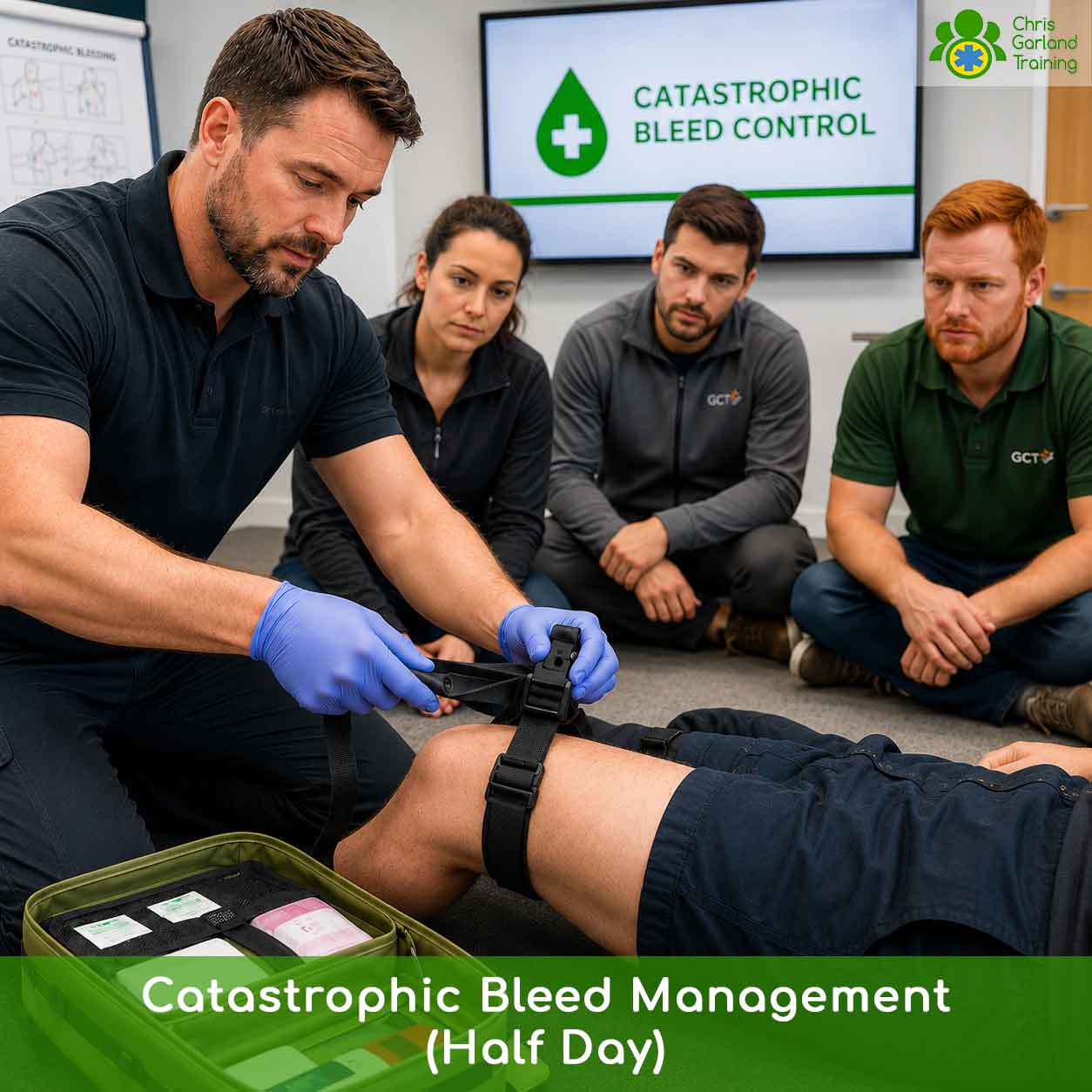
- Tourniquet Deployment: Practising with professional CAT and SOFTT-W devices while documenting application timings accurately.
- Haemostatic Dressings: Learning how specialised chemical medical dressings function to clot blood rapidly under pressure.
- Wound Packing: Mastering safe, manual packing techniques to control deep junctional haemorrhages effectively.
- Layered Bandaging: Applying heavy pressure bandaging systematically as part of a layered wound treatment strategy.
- The ACT Protocol: Implementing the core Alert, Compress, and Tell framework during an active emergency.
- Mass Casualties Management: Managing multiple injured casualties efficiently when operating with limited physical resources.
- Clinical Handovers: Delivering clear, structured casualty logs to emergency services personnel upon their arrival.
Course Details
- Format: Hands-on, face-to-face classroom learning mixed with physical simulation drills
- Duration: Half-day training track containing 4 guided learning hours total
- Accreditation: Aligned with UK counter-terrorism guidelines and ACT First Aid requirements
- Assessment: Continuous practical assessments throughout the course with no formal written exam
- Certificate: Secure digital PDF certificate issued directly by Chris Garland Training valid for 3 years
Course Access & Requirements
- On-Site Customisation: Our practical training programme covers the full emergency trauma toolkit. Specifically, candidates practice with authentic equipment to build muscle memory. The interactive curriculum focuses directly on physical skills rather than abstract theory. Consequently, your employees gain the exact confidence needed to handle acute bleed emergencies under intense stress.
- Physical Fitness Thresholds: Candidates must be physically capable of treating casualties on the floor. For instance, drills involve active kneeling and lifting. All course students must be aged 18 or older to participate. Fortunately, you do not need prior first aid qualifications to attend. Please ensure everyone reads the guidelines before booking.
Useful Links & Resources
- Read our full Course Joining Instructions
- Request a group quote via our Bespoke Corporate Quotations portal
Related Courses
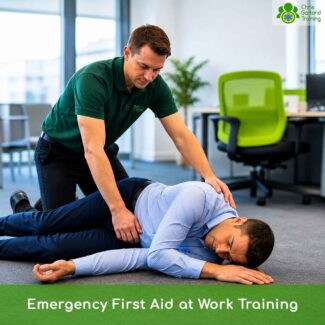
- For Workplace Core: If you need to establish a foundational workplace qualification for your first aid team, see our standard Emergency First Aid at Work course.
- For Advanced Trauma Responders: For teams requiring a comprehensive one-day medical framework for complex environments, explore our dedicated Critical Injury Responder Course | 1-Day.