
At A Glance:
This care home case study highlights how residential facilities in Cheshire manage emergency evacuation compliance amidst high staff turnover and shifting rotas. It explores the hidden gaps often revealed in Fire Risk Assessments, including untrained teams and obsolete equipment. The guide outlines two flexible training pathways delivered by Chris Garland Training: a five-hour Operator course for smaller independent homes and a comprehensive Train-the-Trainer programme for larger providers. By adapting to 24/7 care schedules and night shifts, these programmes build practical confidence. Consequently, they foster a proactive safety culture among staff and ensure flawless clearances during CQC and fire service inspections.
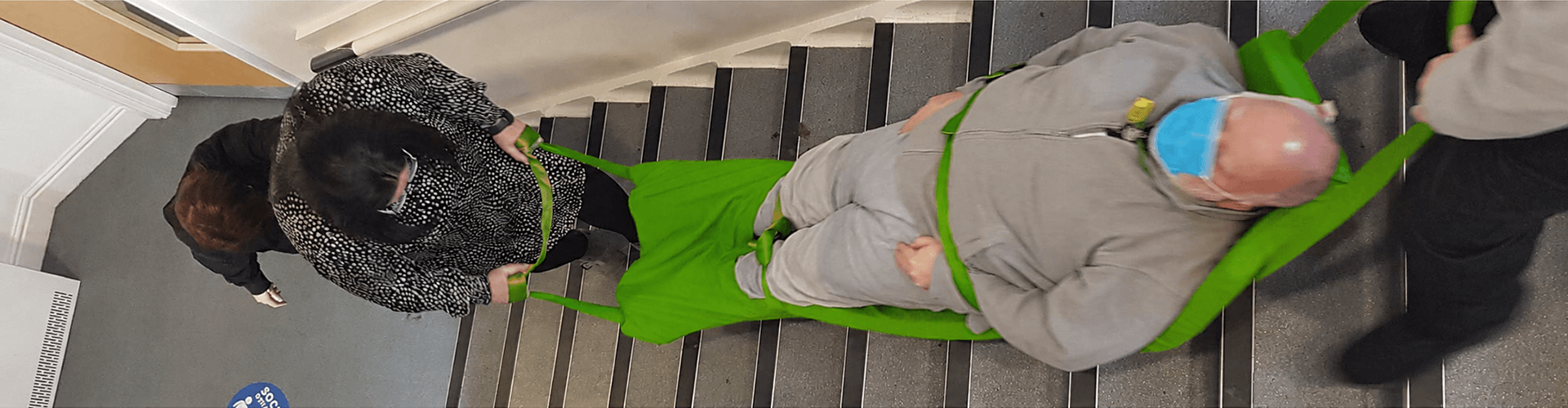
Care Home Case Study: Navigating Evacuation Compliance, High Staff Turnover, and Audit Clearances
Running a residential care facility in Cheshire means balancing daily resident care with strict regulatory standards. Specifically, managing emergency evacuation compliance remains a critical challenge for many Registered Managers. Between shifting staff rotas, high workforce turnover, and evolving Fire Risk Assessments, keeping your facility audit-ready can feel like a moving target.
At Chris Garland Training, we regularly partner with local care homes to transform their evacuation readiness from a compliance headache into operational strength. Here is a breakdown of how we help providers navigate these exact challenges.
Table of contents
The Catalyst: The Hidden Gaps in a Fire Risk Assessment
To begin, many care managers only discover gaps in their evacuation plan during an official health and safety audit, or following a direct visit from the fire service.
We frequently encounter facilities facing three distinct scenarios:
- The Untrained Team: A care home owns evacuation chairs and sledges, but subsequent staff turnover means nobody currently on shift actually knows how to operate them safely.
- Condemned Equipment: An internal health and safety audit flags that existing evacuation equipment is obsolete, damaged, or entirely unfit for purpose.
- The Mandatory Mandate: A fresh Fire Risk Assessment or a Fire Service inspection explicitly states that the building must install dedicated evacuation equipment immediately.
Leaving these issues unaddressed risks severe CQC penalties and compromises resident safety. Consequently, managers need a rapid, definitive solution that resolves their legal exposure.
The Operational Challenge: Training Around 24/7 Care
Scheduling training within a live healthcare setting is notoriously difficult. To resolve this, we keep our delivery models completely practical and highly adaptable.
Our standard Evacuation Chair Operator course requires five hours of focused instruction. For teams looking to build an internal training loop, our Train-the-Trainer (TTT) programme runs from 09:00 until 17:00. While we typically begin sessions at 09:00, we regularly adapt to earlier start times to accommodate specific facility shift handovers.
Furthermore, we can deliver dedicated training blocks specifically for night shift workers. This flexibility ensures that managers can maintain complete site coverage without disrupting their daily care routines.
Choosing the Right Strategy: Operator vs. Train-the-Trainer
Every care facility operates differently. Therefore, we provide two distinct pathways based on the size and structure of your organisation:
1. The Operator Route (Best for Smaller, Independent Care Homes)
Smaller residential facilities generally choose the five-hour Operator course. This session equips a targeted group of core staff with immediate, hands-on skills. It ensures your team can confidently deploy and operate your specific evacuation equipment during an emergency.
2. The Train-the-Trainer Route (Best for Larger Providers & Groups)
Conversely, our larger enterprise clients utilise our comprehensive Train-the-Trainer framework. By certifying their internal training or clinical leads to deliver internal training courses, these groups gain a massive operational advantage.
Specifically, they can onboard new employees instantly, regardless of what shift pattern those staff members work. This strategy eliminates delivery delays, cuts ongoing training costs, and ensures the provider is never caught short during an unannounced inspection.
The Result: Opening “Pandora’s Box” of Workplace Safety
The true value of this training extends far beyond a certificate. In every single session we teach, gaining genuine knowledge changes the staff culture.
When candidates understand the mechanics of safe evacuation, be it evacuation chair or sledge, it always opens a healthy dialogue within the home. Staff begin asking their managers highly specific, proactive questions about their internal emergency workflows. They want to know more, they want to be better, and they take genuine ownership of resident safety.
Following our sessions, our care clients routinely report flawless clearances on their subsequent CQC and fire service inspections. Their staff transition from feeling anxious about emergency equipment to feeling completely confident in their practical muscle memory.
How to Secure Your Facility’s Compliance
Do not wait for a formal audit or an inspector’s report to highlight gaps in your emergency plan. Whether you need to train your immediate team as operators or establish an internal Train-the-Trainer framework, we can help.
To discuss your building layout or request a tailored corporate proposal, please head to our dedicated Evacuation Chair Training Page or contact the team directly at hello@ to map out your upcoming dates.


