Statutory Safeguarding Obligations Under the 2015 Act
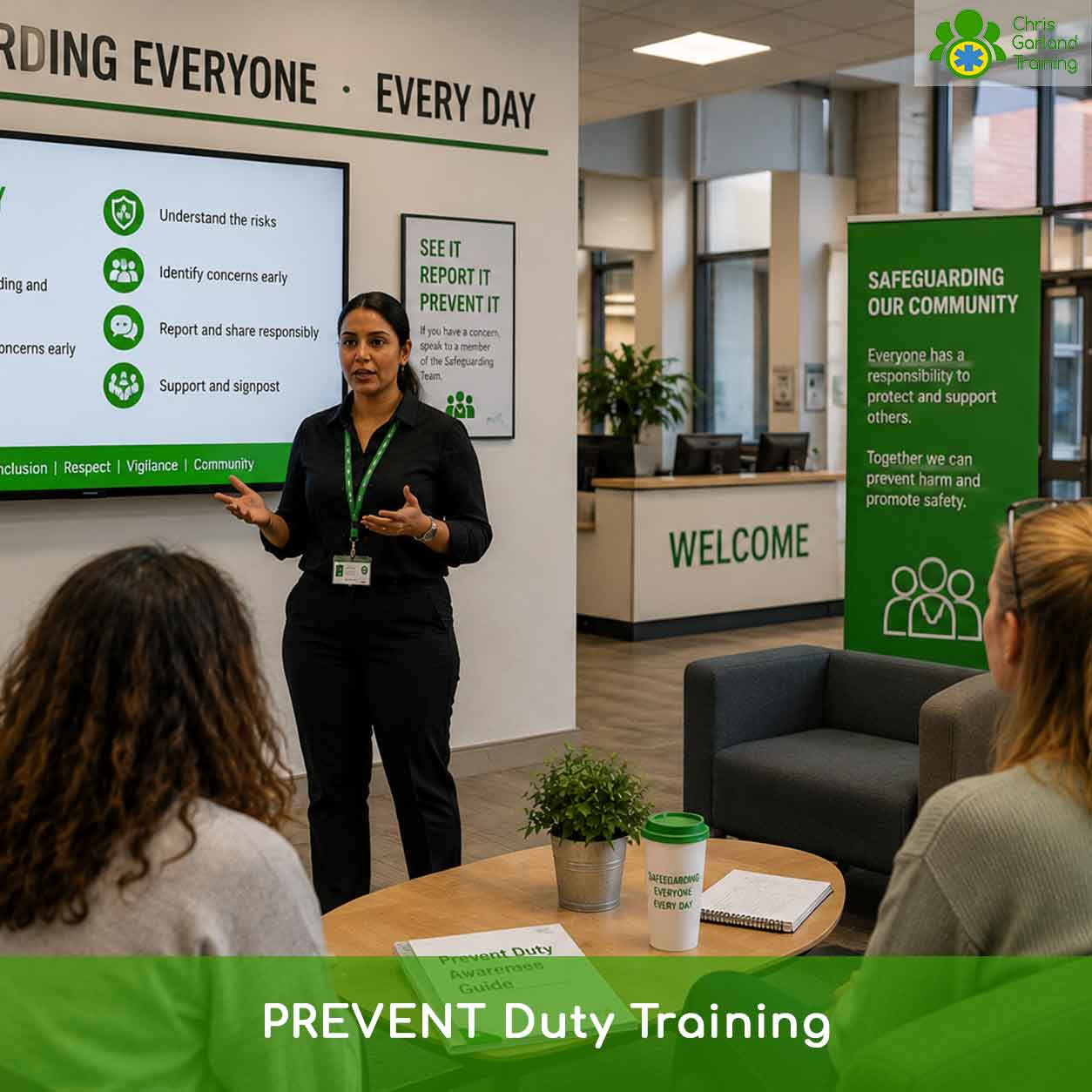
The Counter-Terrorism and Security Act 2015 placed a statutory Prevent Duty on specified public sector organisations. Specifically, this mandate covers schools, colleges, universities, healthcare bodies, and local authorities. Every employer must demonstrate that their teams possess due regard to prevent people from being drawn into terrorism. Consequently, relying on basic written policies is no longer sufficient to clear regulatory audits.
Importantly, maintaining robust protection systems involves connecting several different training pathways across your workforce. For instance, educational institutions must pair security awareness with comprehensive safeguarding rules to protect children effectively. Alternatively, you can explore our certified Level 2 Award in Safeguarding Children and Young People module to fortify your organizational support networks.
Furthermore, statutory compliance strategies require maintaining general interpersonal safety across your entire professional landscape. Supervisors must proactively eradicate all forms of abusive conduct or exploitation inside modern teams. Therefore, we recommend pairing security awareness with our accredited Workplace Sexual Harassment Training course. This combination establishes a thoroughly transparent, legally compliant environment for your workforce.
What You Will Learn
- Legislative Frameworks: Analyzing the Counter-Terrorism and Security Act 2015 and organizational obligations.
- The Contest Strategy: Understanding how Prevent, Pursue, Protect, and Prepare components cooperate.
- The Channel Programme: Mastering the official early intervention mechanisms and referral pathways.
- Radicalisation Dynamics: Differentiating ideological disagreements from extreme radicalisation patterns safely.
- Vulnerability Factors: Identifying how identity crises, social isolation, and online influences affect individuals.
- Tracking Red Flags: Recognizing behavioural, social, and presentational indicators within public settings.
- Safeguarding & Free Speech: Balancing statutory prevent duties with human rights and open debate.
Course Details
- Format: Fully online, self-paced interactive learning with section check-testing
- Duration: Approximately 1 to 2 hours of independent study time (1.5 hours average)
- Accreditation: Fully CPD approved and mapped to UK public sector statutory obligations
- Assessment: Continuous modular self-checks followed by an online multiple-choice final examination
- Passing Score: Candidates must achieve a minimum score of 70% to pass securely
- Certificate: Accredited digital PDF certificate issued immediately upon passing the final test
Course Access & Requirements
- Immediate Activation: Secure login details are emailed straight to your corporate inbox immediately after purchase. You can activate codes instantly or distribute credits among your staff later.
- Flexible Study Settings: Learners can complete this module at their own pace on any smartphone or tablet. However, we suggest using a laptop or desktop computer to view the graphics clearly.
- Entry Prerequisites: No prior formal legal knowledge is required to enrol. We recommend candidates possess a reasonable functional level of English to navigate the short modular assessments.
- Geographical Validity: This training is developed in accordance with current UK practice and guidance. Consequently, it supports compliance frameworks across England, Wales, and Northern Ireland perfectly.
Useful Links & Resources
Related Courses
- For Broad Safeguarding Coverage: To expand your staff’s capabilities across broader structural protection frameworks, see our Level 2 Award in Safeguarding Children and Young People.
- For Business Compliance: To browse our full catalog of corporate liability tracks, legal onboarding modules, and public safety options, visit our Workplace Compliance & Business Essentials Training category.