Statutory Instructor Compliance & PUWER Regulations
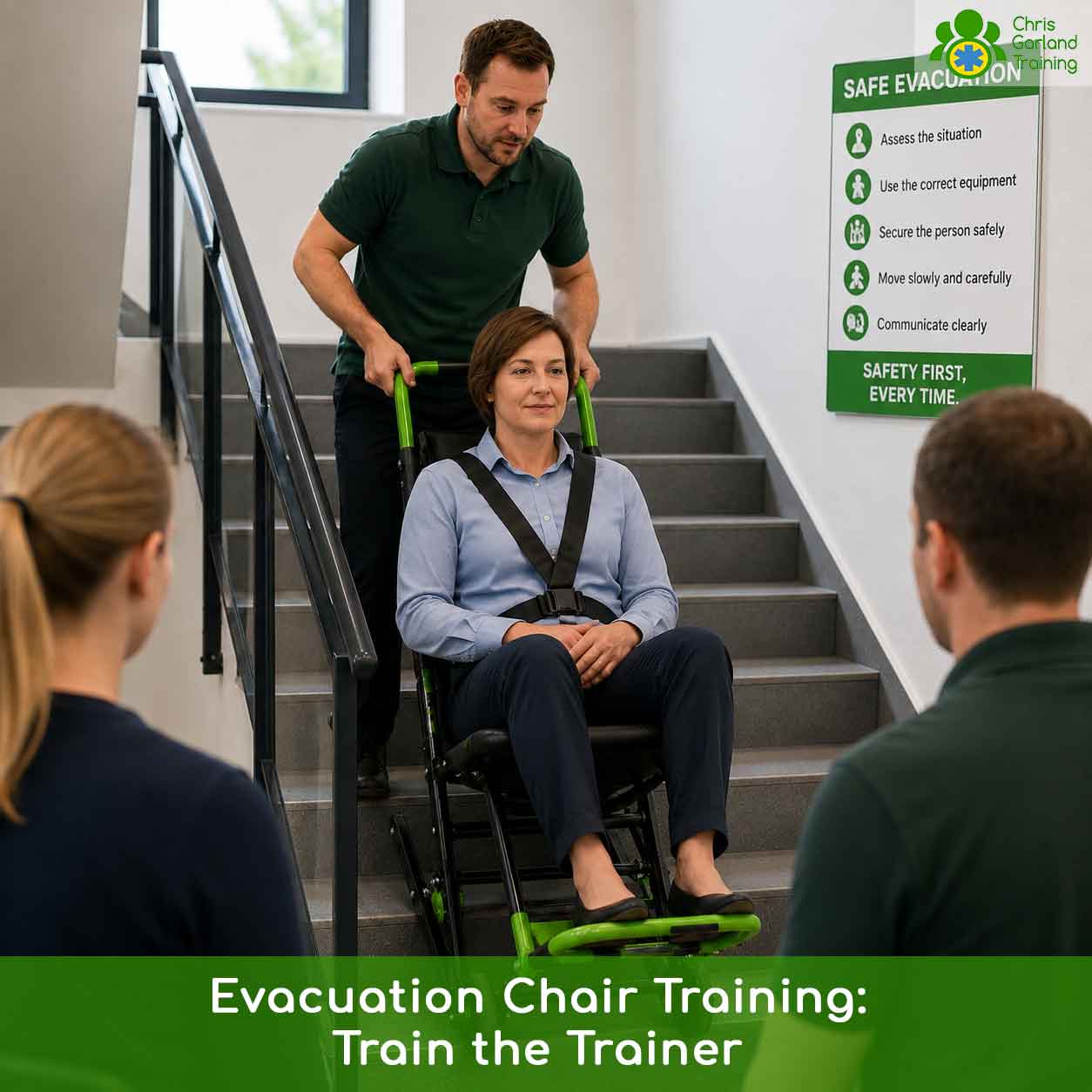
Many training providers cover only one or two pieces of kit. In contrast, our comprehensive programme covers six different models. An instructor who only understands a single device lacks vital operational context. Specifically, they cannot easily conduct equipment risk assessments or advise on building exit routes.
Evacuation equipment falls under the strict statutory mandates of PUWER 1998 regulations. Therefore, employers must guarantee that all operators receive documented training from qualified instructors. To check your facility’s explicit structural obligations thoroughly, read our guide titled Expert Guide: Your new fire safety risk assessment requires evacuation chairs.
This specialised curriculum produces genuinely competent internal trainers who thoroughly understand the wider marketplace. In addition, it covers critical health and safety benchmarks across your entire estate. To ensure your business aligns with other current rules, you can review our compliance update called Workplace Compliance & the BS 8599-1:2026 First Aid Standard.
What You Will Learn
- Legal Frameworks & Guidance: Navigating workplace duties under PUWER 1998, fire safety orders, and explicit PEEP requirements.
- Vulnerability Tracking: Understanding how physical and cognitive realities impact emergency movement during an evacuation.
- Disability Etiquette: Mastering clear emergency communication and maintaining casualty dignity under intense workplace stress.
- Manual Handling Principles: Applying ergonomic lifting mechanics and establishing seamless team communication protocols on stairwells.
- Equipment Inspections: Conducting pre-use safety checks and identifying mechanical wear across multiple structural models.
- Training Delivery Skills: Applying adult learning principles and structuring practical skills sessions for frontline staff.
- Assessments & Record Keeping: Learning how to conduct competency checks and maintain proper internal training logs.
“Chris was great really knowledgeable and friendly, puts you at ease straight away and the course was delivered really well with lots of valuable information. My biggest takeaway is being able to use lots of different brands of evacuation chairs during training gave valuable experience, working out pros and cons for each model.”
Course Details
- Format: Intensive face-to-face practical trainer course with multi-model handling drills
- Duration: One full day running promptly from 9:00am to 5:00pm (6 guided learning hours)
- Accreditation: Fully CPD certified and compliant with statutory PUWER 1998 instructor benchmarks
- Assessment: Continuous practical observation (100% pass mark), theory paper (70% minimum), and a micro-teaching demonstration
- Certificate: Official digital PDF instructor certificate valid for 3 years issued immediately upon successful completion
Certificate
This course is certified by Chris Garland Training. The certificate is valid for three years and is accepted for insurance purposes. Materials and assessment standards are the same as our accredited courses.
Course Access & Requirements
- Physical Fitness Restrictions: Moving equipment on stairs is physically demanding. Therefore, this course is not suitable for individuals with chronic back problems or upper-body injuries.
- Height & Weight Guidelines: Operators should ideally be between 5ft 5in and 6ft 2in in height to maintain safe leverage. Specifically, they must also weigh at least 9 stone (57kg) to handle the equipment safely.
- Required Clothing: All candidates must wear appropriate clothing, such as trousers, and flat, closed-toe shoes. Staff arriving in inappropriate footwear cannot participate in practical handling sessions.
- Late Arrival Policy: Strict safety compliance standards enforce uncompromising contact-time criteria. Consequently, if an attendee arrives more than 15 minutes late, they will be turned away and forfeit all paid booking fees.
- Geographical Validation: This instructor training is developed in accordance with current UK practice and guidelines. As a result, it remains valid across England, Wales, Scotland, and Northern Ireland.
Useful Links & Resources
- Read our full Course Joining Instructions
- Request a private group quote via our Bespoke Corporate Quotations portal
Related Courses
- For Frontline Operator Training: If you need to train your general frontline staff to operate equipment rather than act as certified instructors, book our standard Evacuation Chair Training course.
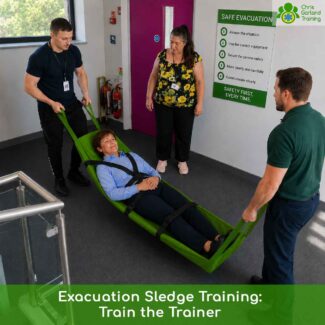
- For Mattress Evacuation Methods: If your care or hospital facility utilizes ground-sliding sheets or mats instead of seated chairs, explore our specialized Evacuation Sledge Training.
- For Internal Sledge Instructors: To expand your internal instruction network across multiple structural platforms, view our advanced Evacuation Sledge Train the Trainer course.